Swim the World: a free November swim challenge to keep triathletes in the pool
By Trithings · 13 November 2026 · 6 min read
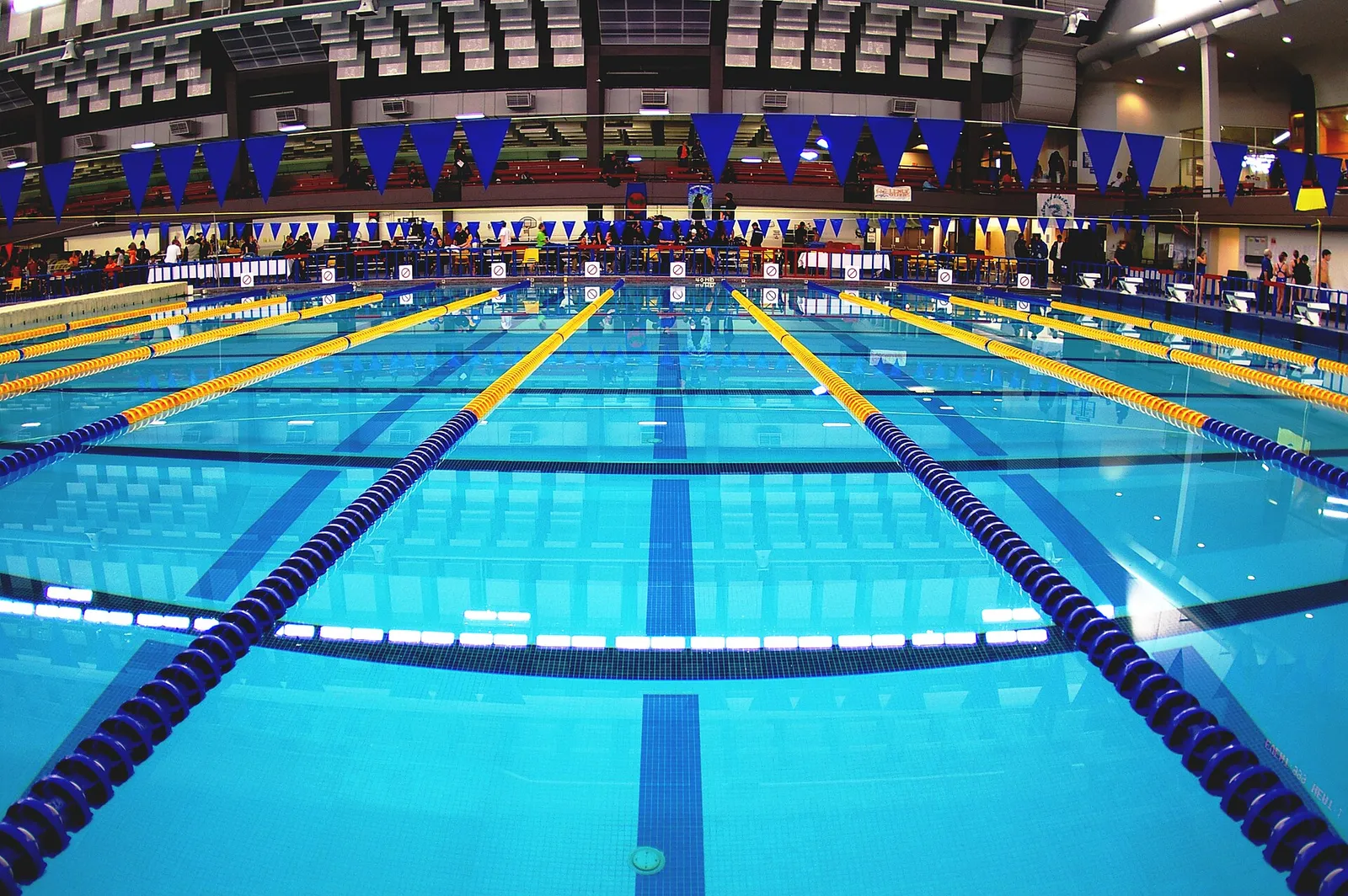
Photo: Xander from Yellowknife, NT, Canada via Wikimedia Commons, CC BY 2.0

SwimTrek's Swim the World challenge runs from 1 to 30 November 2026, it is free, and you can still join. Swimmers around the world are trying to cover 45,000 km between them, in a pool or open water, solo or in a team. For an age-group triathlete in the off season, it is a simple reason to keep swimming through the darkest month of the year, and it costs nothing but pool entry.
Our takeaway: sign up, aim for a distance that matches the swimming you would do anyway, and use the team option to drag a few training partners to the pool with you.
What the challenge is
SwimTrek, the open water swimming holiday company, sets out the rules on its Swim the World page. In short:
- Dates: 1 to 30 November 2026.
- Target: 45,000 km in total, which SwimTrek describes as 2,000 swimmers each covering 22.5 km.
- Cost: free to enter.
- Teams: swim on your own or in a team of up to six. SwimTrek suggests each team aims for 60 km or more, and individuals somewhere between 20 and 60 km.
- Where: anywhere. Your local pool, a lake, a river or the sea all count.
- Tracking: however suits you. You do not need a smartwatch or a Strava account.
- Reporting: you send your solo or team distance through an online form, and SwimTrek posts weekly updates with a leaderboard and a map of the progress around the planet.
The challenge also raises money for Seatrees, a non-profit that restores coastal habitats. SwimTrek donates US$5 per swimmer. One part of its page says this is for every swimmer, another says it is for the first 2,000 people, so check the page if that matters to you. Last year's donation paid for coral fragments in Costa Rica and Fiji and seagrass restoration in Spain, according to Seatrees.
It is not a new idea. The 2025 edition set out to swim the distance around the equator, 40,075 km, and finished on 41,516 km. This year's target is higher again.
Why it suits a triathlete in November
For most of us in the Netherlands, the UK and the rest of northern Europe, the race season is over. The bike goes on the turbo, runs get shorter and darker, and swimming is often the first thing to slip, because it means getting to a pool at a fixed time.
A shared target helps with exactly that. You are not chasing a pace or a test set, just metres in the bank, which is what an off season block is for: regular, relaxed swimming to keep the feel for the water before structured training starts again after the winter.
There is no entry fee, no qualifying time and no race day. You decide how much to swim, and every metre counts.
How much to swim
With the challenge already under way, here is what the numbers mean if you start today (13 November), with 18 days left. These are our own sums, not SwimTrek's.
- 10 km in a team of six: six swimmers at 10 km each make the 60 km team aim. That is four sessions of 2,500 m, or five of 2,000 m. In a 25 m pool, 2,000 m is 80 lengths.
- 20 km solo: the low end of SwimTrek's suggested range. Over 18 days that is about seven sessions of just under 3,000 m, a lot if you normally swim twice a week.
- 22.5 km: the average per swimmer behind the 45,000 km target. Over the full month that works out at 750 m a day, so it suits people who joined on 1 November.
If you swim twice a week, the team option is the realistic one. If you already swim three or four times a week, 20 km solo is within reach without adding sessions, just a little more distance in each.
Do not add a lot of volume in one go just to hit a number. Build up gradually, and if your shoulders start to complain, swim less. Missing December because of a niggle costs far more than a few kilometres in November.

Making the metres count
Distance on its own is fine for the challenge, but a few small habits make it better training too:
- Count lengths, not minutes. In a 25 m pool, 40 lengths is 1 km. If you lose count, a cheap lap counter or a watch saves the argument.
- Swim most of it easy. The off season is the time to work on technique: a long, relaxed stroke, breathing to both sides and sighting practice (lifting your eyes to look ahead, as you would in open water).
- Add one steadier set a week. For example, a few repeats of 200 m at a pace you could hold for a race, with short rests. It keeps some speed without turning November into a hard block.
- Use the team. Book the same lane slot as your training partners, or set up a team with your triathlon club. Telling five people your weekly distance is a strong reason to go.
If you have races in mind for next year, the events calendar lists swims and triathlons across the Netherlands, the UK and Europe, with dates once the organisers publish them. If your goggles or swim kit are past their best, our swim deals are a good place to start.
If you swim outside in November
Open water counts, but in November it is cold water. The RNLI warns that water below 15°C can cause cold water shock: you can lose control of your breathing, and your heart rate and blood pressure rise quickly. It puts the average sea temperature around the UK and Ireland at about 12°C, and inland water can be colder.
- Never swim alone, and go where people know you are there: a club session, a supervised venue or a lifeguarded spot.
- Get in slowly and let your breathing settle before you start swimming.
- If you are in trouble, float to live. Lean back with your ears in the water, control your breathing and move your hands gently until the shock passes. The Met Office says the first effects last around 90 seconds.
- Keep it short, and have warm clothes and a hot drink ready for when you get out.
If you are new to cold water, the pool is the better place for your November kilometres.
How to take part
Sign up on the Swim the World page, decide on solo or team, and start logging your swims. The page does not say whether swims before you sign up count, or the final date to send in your distance, so check those when you register.
We have no link with SwimTrek or Seatrees and earn nothing if you join. We just think a free reason to swim in November is worth knowing about.